How Much Walking Is Required at Magh Mela? Honest Distance Guide , Have you ever wondered what it’s like to be part of one of the world’s largest spiritual gatherings? Magh Mela, held annually in Prayagraj (formerly Allahabad) at the confluence of the Ganges, Yamuna, and the mythical Saraswati rivers, draws millions of devotees seeking spiritual purification and blessings. This month-long festival during the Hindu month of Magh transforms the riverbanks into a temporary city of faith, devotion, and tradition.
But here’s the catch: attending Magh Mela isn’t just a spiritual commitment—it’s a physical one too. The question that puzzles first-time visitors and even returning pilgrims is: exactly how much walking should I expect? Let’s dive into an honest, detailed guide that’ll help you prepare your feet (and your mind) for this incredible journey.
Understanding the Scale of Magh Mela
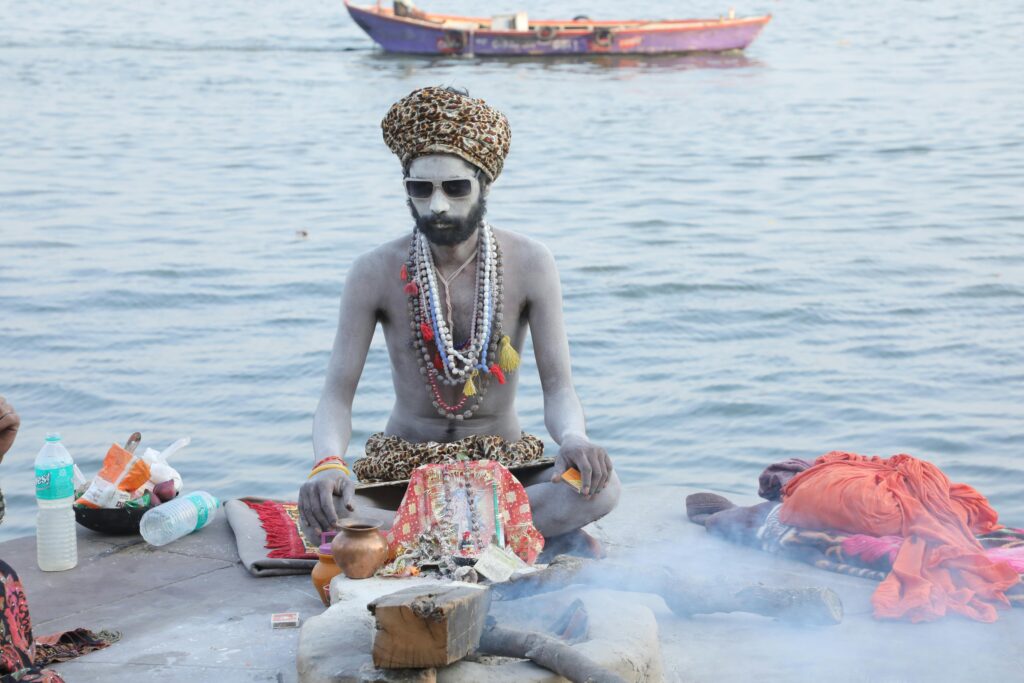
How Much Walking Is Required at Magh Mela? Honest Distance Guide , Picture this: a temporary township spanning over 3,000 hectares of land along the riverbank. That’s roughly 7,400 acres or about 4,200 football fields! The Magh Mela grounds are divided into numerous sectors, each housing different akharas (monastic camps), administrative zones, bathing ghats, medical facilities, and accommodation areas.
How Much Walking Is Required at Magh Mela? Honest Distance Guide , The main attraction is the Sangam—the sacred confluence where pilgrims take their holy dip. From the various entry gates to the Sangam, the distance can range anywhere from 2 to 5 kilometers, depending on which gate you enter through. Add to that the internal navigation between sectors, visits to different akharas, shopping areas, and food stalls, and you’ve got yourself a serious walking marathon.
Why Walking Matters at Magh Mela
The Spiritual Journey on Foot
How Much Walking Is Required at Magh Mela? Honest Distance Guide , There’s something profoundly spiritual about walking to the Sangam. Many believe that the journey on foot is itself an act of penance and devotion. Each step brings you closer not just to the holy waters, but to a state of mindfulness and surrender. Elderly devotees often say that the physical effort amplifies the spiritual rewards of the pilgrimage.
Practical Reasons for Walking
Beyond spirituality, walking is often your only option. The sheer density of crowds, especially on auspicious bathing dates like Makar Sankranti, Mauni Amavasya, and Basant Panchami, makes vehicular movement nearly impossible. Narrow pathways, temporary bridges, and designated pedestrian routes mean that your legs are your best mode of transport.
Average Walking Distances at Magh Mela
From Entry Gates to Sangam
Let’s get specific. If you enter through the main gates near the Civil Lines area, expect to walk approximately 3 to 4 kilometers to reach the Sangam bathing area. From the Jhunsi side, the distance might be slightly shorter, around 2 to 3 kilometers. However, on peak days, crowd management measures may require you to take longer alternative routes, potentially adding another kilometer or two.
Between Different Sectors and Akharas
The Mela is organized into sectors numbered sequentially. Moving from Sector 1 to Sector 10, for instance, could mean covering 4 to 6 kilometers depending on the route. Visiting famous akharas like Juna Akhara, Niranjani Akhara, or the Kinnar Akhara requires additional walking, as these are spread across different locations within the Mela grounds.
Once you’re near the Sangam, navigating between different bathing ghats adds more steps to your daily count. The designated bathing areas stretch along the riverbank, and depending on crowd flow, you might need to walk parallel to the river for 500 meters to a kilometer to find a suitable spot for your holy dip.
Daily Walking Estimates for Pilgrims
If You’re Staying Inside the Mela Grounds
Lucky you! Staying within the Mela grounds significantly reduces your walking burden. On an average day, you might walk between 5 to 8 kilometers. This includes your trip to the Sangam, visiting a couple of akharas, getting meals, and exploring the spiritual discourses and cultural programs.
On major bathing days, this number can easily shoot up to 10 to 12 kilometers as you navigate diversions, longer queues, and take multiple trips between your camp and the river.
If You’re Commuting from Outside
Commuting from hotels or accommodations in Prayagraj city? Brace yourself for a more intensive walking experience. After parking your vehicle or alighting from public transport at designated points, you’ll typically face a 4 to 6-kilometer walk just to enter the main Mela area. Add your internal navigation, and you’re looking at 12 to 15 kilometers daily, sometimes even more on special occasions.
Factors That Affect Your Walking Distance
Crowd Density on Auspicious Bathing Days
Not all days at Magh Mela are created equal. Regular days see moderate crowds where you can walk at a comfortable pace. But come the major snan (bathing) days, and the dynamics change dramatically. The administration implements one-way movement systems, extended barricaded pathways, and strategic crowd management that can double your walking distance. What’s normally a 3-kilometer walk might become a 6-kilometer detour.
Your Accommodation Location
Location, location, location! If your tent or shelter is in Sector 1 and you need to visit an akhara in Sector 15, you’re committing to significant walking. Premium accommodations closer to the Sangam minimize daily distances but come at a higher cost. Budget stays in peripheral sectors mean trading money for legwork.
Personal Itinerary and Religious Activities
Are you planning a quick morning dip and then heading out? Or are you the devout type who wants to attend morning aarti, take a holy bath, visit multiple akharas, attend spiritual discourses, and then return for evening prayers? Your spiritual appetite directly correlates with your step count. Enthusiastic pilgrims report walking upwards of 15 to 20 kilometers in a single day.
Tips to Minimize Walking Fatigue
Choose the Right Footwear
This cannot be stressed enough. Comfortable, broken-in walking shoes or sturdy sandals are non-negotiable. Many pilgrims prefer rubber slippers that can handle water and muddy terrain. Avoid new shoes that might cause blisters. Some seasoned visitors even recommend waterproof hiking sandals with good arch support.
Plan Your Route Strategically
Get a Mela map from the information centers or download one on your phone. Plan your day to minimize backtracking. Group activities in the same sector together. If you’re visiting multiple akharas, chart a logical path rather than zigzagging across the grounds. Early morning starts also mean less crowd and easier navigation.
Take Regular Breaks
Don’t be a hero. The Mela has numerous rest areas, chai stalls, and shaded spots. Listen to your body. Sit down, hydrate, and rest your feet every hour or so. Remember, this is a spiritual journey, not a race. Those extra ten minutes of rest might save you from exhaustion later in the day.
Alternative Transportation Options
Battery-Operated Vehicles
The Mela administration provides battery-operated vehicles for those who struggle with long distances. These eco-friendly options shuttle between major points within the Mela grounds. However, availability can be limited, especially on peak days, and they don’t provide door-to-door service everywhere.
Cycle Rickshaws and E-Rickshaws
In less congested areas and peripheral sectors, cycle rickshaws and e-rickshaws operate, offering point-to-point connectivity. They’re affordable and can save considerable energy, though during major bathing days, even these face restrictions in core areas near the Sangam.
Wheelchair Services for Elderly and Disabled
Special provisions exist for elderly pilgrims and persons with disabilities. Wheelchair services, both manual and motorized, are available through various volunteer organizations and the Mela administration. It’s advisable to arrange these in advance or early in the morning when queues are shorter.
Physical Preparation Before Attending
Building Your Walking Stamina
If you’re planning to attend Magh Mela, start preparing at least three to four weeks in advance. Gradually increase your daily walking. Start with 3 kilometers and work your way up to 8 or 10 kilometers. This conditions your muscles, improves cardiovascular endurance, and helps identify any footwear issues before the actual event.
Health Precautions to Consider
Consult your doctor if you have pre-existing conditions like heart disease, diabetes, or joint problems. Carry necessary medications. Consider knee supports or compression socks if you have circulation issues. The combination of walking, crowd stress, and weather variations can take a toll, so medical clearance provides peace of mind.
What to Carry for Long Walking Days
Essentials for Comfort
Pack light but smart. A small backpack with essentials works best. Include a portable phone charger, basic first aid (band-aids, pain relief spray), a small towel, wet wipes, hand sanitizer, and any personal medications. A light shawl or jacket helps during early morning or evening hours when temperatures drop.
Hydration and Snacks
Dehydration is a real concern, especially if you’re walking for hours. Carry a refillable water bottle—numerous water stations are available throughout the Mela. Energy bars, nuts, or dry fruits provide quick energy without weighing you down. Avoid heavy meals before long walks; they make you sluggish and uncomfortable.
Real Pilgrim Experiences: Walking Stories from Magh Mela
Ramesh, a 62-year-old devotee from Varanasi, shares: “My fitness tracker showed 18 kilometers on Mauni Amavasya! I was exhausted but spiritually fulfilled. The key is pacing yourself and starting before dawn.”
Priya, a first-time visitor from Mumbai, recounts: “I underestimated the walking. My feet were sore by midday on day one. But after adjusting my footwear and taking frequent breaks, the remaining days were manageable. The experience is totally worth the effort.”
These real accounts highlight a common theme: preparation and realistic expectations make all the difference.
Special Considerations for Different Age Groups
Children and Families
Traveling with kids? Plan shorter routes with more frequent breaks. Strollers are impractical in crowded areas, so consider baby carriers for infants. Engage children with the sights and sounds, turning the walk into an adventure rather than a chore. Keep snacks and entertainment handy for rest stops.
Elderly Pilgrims
For senior citizens, the spiritual pull of Magh Mela is strong, but physical limitations are real. Consider hiring a wheelchair or arranging for volunteer assistance. Plan visits during off-peak hours when crowds are thinner. Shorter, more frequent visits over multiple days are better than one exhausting marathon.
Solo Travelers
Going solo means walking at your own pace without group pressure. However, it also means handling everything independently. Download offline maps, keep emergency contacts handy, and inform someone about your daily plans. Solo pilgrims often find the walking meditative and enjoy the flexibility of spontaneous exploration.
Conclusion
So, how much walking is really required at Magh Mela? The honest answer is: anywhere from 5 to 20 kilometers daily, depending on your location, itinerary, and the days you choose to visit. This isn’t your casual neighborhood stroll—it’s a physically demanding pilgrimage that tests your endurance as much as it rewards your faith.
But here’s the beautiful truth: every step you take is part of a centuries-old tradition of devotion. The blisters might ache, your legs might protest, but the spiritual fulfillment and the energy of millions walking toward the same divine goal create an experience that transcends physical discomfort. Prepare well, pace yourself wisely, listen to your body, and embrace the journey. After all, the path to spiritual enlightenment has always required a few steps—sometimes quite literally thousands of them.
Remember, Magh Mela isn’t about conquering distance; it’s about the transformation that happens with each footstep toward the sacred waters. So lace up those comfortable shoes, fill your water bottle, open your heart, and walk into one of humanity’s most extraordinary spiritual gatherings.
FAQs
1. Can I use a bicycle at Magh Mela to reduce walking?
Bicycles are generally not permitted within the core Magh Mela area, especially near the Sangam and during peak crowd periods, due to safety concerns and space constraints. However, you might use one to reach the outer entry points from your accommodation in the city.
2. Is there any way to book a vehicle pass for entering the Mela grounds?
Special vehicle passes are available only for essential services, VIPs, elderly persons with medical certificates, and persons with disabilities. Regular visitors must rely on walking or the authorized battery-operated vehicles and rickshaws available within designated zones.
3. How long does it take to walk from the entry gate to the Sangam?
On regular days, expect 45 minutes to 1.5 hours to walk from main entry gates to the Sangam, covering 3 to 5 kilometers. On major bathing days, this can extend to 2 to 3 hours or more due to crowd management measures and slower movement.
4. Are there medical facilities along the walking routes if I feel exhausted?
Yes, the Mela administration sets up numerous medical camps, first aid stations, and ambulances throughout the grounds. These are marked on Mela maps and have volunteers and medical staff available 24/7 to assist with exhaustion, dehydration, or any health emergencies.
5. What’s the best time of day to walk to the Sangam to avoid maximum crowds?
Early morning, between 4 AM and 7 AM, is ideal for easier navigation and a more peaceful experience. Late evening after 7 PM also sees reduced crowds, though visibility and services are limited. Mid-morning to late afternoon is typically the most crowded period.